

How to Build a Wedding Transportation Timeline That Actually Works
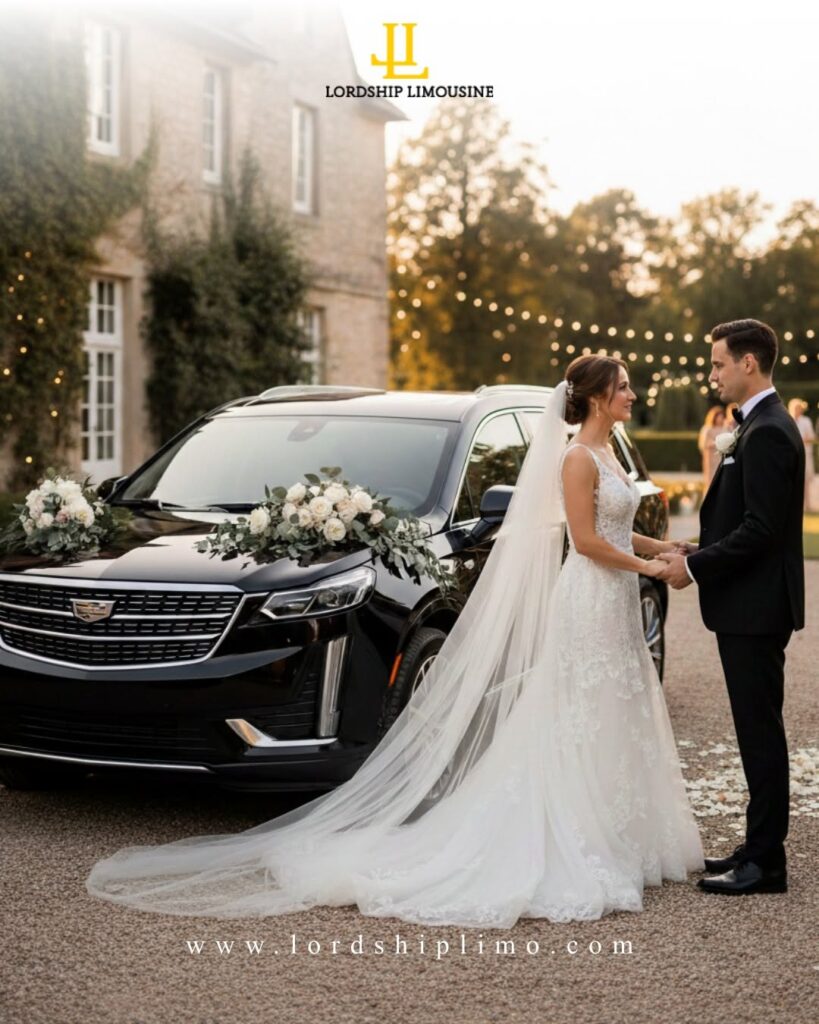
Wedding days rarely go exactly according to plan. Hair and makeup can take longer than expected, photographs may run over schedule, or guests may need extra time to move between locations. While some delays are unavoidable, a well-planned transportation timeline can make the day much easier to manage. When planning wedding transportation in Connecticut, it helps to think beyond simply booking a vehicle. The pickup locations, ceremony time, photography schedule, reception venue, hotel arrangements, and number of passengers all need to work together. A realistic transportation plan gives everyone a clear schedule and helps keep the wedding day moving without unnecessary confusion. Start With the Wedding Day Schedule Before arranging transportation, build the main timeline for the day. Note when the wedding party needs to arrive at the ceremony, when photographs are scheduled, when the reception begins, and when guests are expected to leave. Once these times are established, work backward to determine when each vehicle needs to arrive. This is particularly important when the wedding party is getting ready at different locations or when the ceremony and reception are at separate venues. The goal is not to create a schedule that leaves no room for flexibility. Instead, allow enough time for normal delays so that one late pickup does not affect the rest of the day. Account for Every Pickup Location One of the most common transportation planning mistakes is focusing only on the ceremony and reception. A wedding may involve transportation from a hotel to the getting-ready location, from the preparation location to the ceremony, from the ceremony to the reception, and from the reception back to hotels or other destinations. If the wedding party is staying at multiple hotels, this becomes even more important. Each pickup location should be included in the transportation plan, along with the number of passengers and the time they need to arrive. For larger weddings, coordinating these movements in advance can help avoid last-minute calls and confusion. Build in Time for Photos and Wedding Party Movement Photography can change the timing of a wedding day. The couple may need transportation to another location for photographs, while the wedding party may remain at the venue. Instead of scheduling transportation based only on the official ceremony and reception times, consider how much time is needed for photographs, introductions, venue changes, and other activities. A few extra minutes between scheduled movements can make the timeline much more practical. It is easier to adjust a comfortable schedule than to recover from a transportation delay when every part of the day has been scheduled back-to-back. Choose Vehicles Based on the Actual Group The right vehicle depends on more than the number of people attending the wedding. Consider who needs transportation, how many passengers are traveling together, how much luggage or personal belongings they may have, and whether different groups need to arrive at different times. For example, the couple may require a different arrangement from the wedding party or guests staying at nearby hotels. Reviewing the available vehicle options before finalizing the transportation plan can help you choose vehicles that are appropriate for each part of the day. Keep Guests in the Transportation Plan Guest transportation can easily become an afterthought, especially when the couple and wedding party already have their transportation arranged. If guests are traveling from hotels to the ceremony or reception, clearly communicate pickup times and locations in advance. For larger groups, a coordinated transportation plan can make it easier for guests to arrive together and reduce the number of people trying to arrange their own transportation. This is especially useful when the venue has limited parking or when guests are unfamiliar with the area. Give Your Transportation Provider the Full Timeline Once the schedule is finalized, share the complete itinerary rather than providing only individual pickup times. A transportation provider can better understand the day’s requirements when they know the full sequence of locations, passenger groups, and timing. This also gives you an opportunity to identify potential gaps before the wedding day. Planning your wedding transportation in Connecticut? Review the available limousine services and discuss your wedding-day schedule so your transportation plan can be built around your actual itinerary. Leave Room for Real-Life Delays A wedding timeline should be organized, but it should also be realistic. Traffic, weather, photography, guest movement, and venue procedures can all affect timing. Building a reasonable buffer between major transportation movements gives the schedule some flexibility without making the day feel rushed. The most useful transportation timeline is one that supports the wedding rather than controlling every minute of it. Frequently Asked Questions Plan Your Wedding Transportation With Confidence A good wedding transportation plan is not simply about getting from one location to another. It is about connecting the different parts of the day so the couple, wedding party, and guests can move comfortably and stay on schedule. Ready to organize your wedding transportation? Contact Lordship Limousine to discuss your itinerary, passenger requirements, vehicle needs, and transportation schedule.